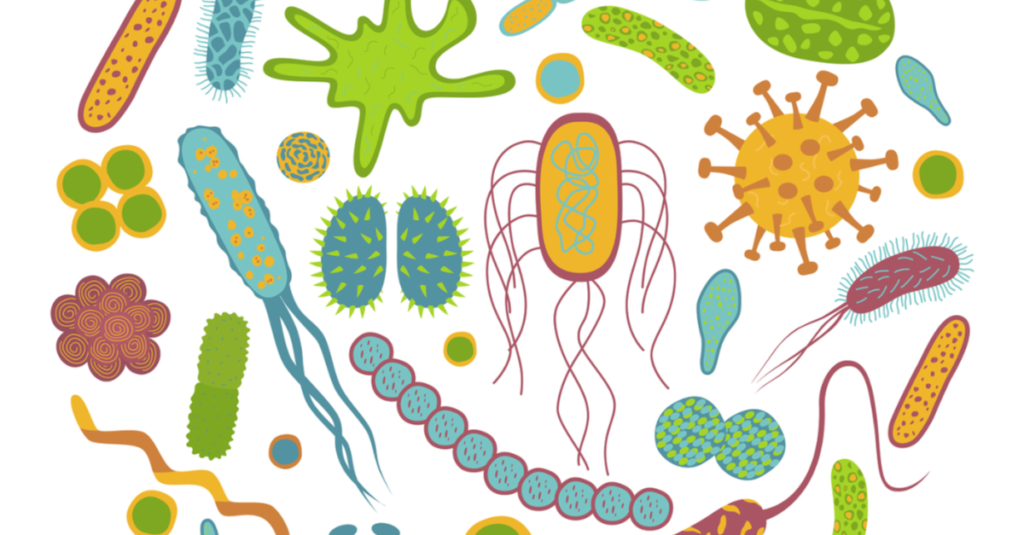
What is the Gut Microbiome?
The gastrointestinal microbiome/microbiota or gut microbiome is the microbes that reside in the intestines and can weigh up to 2 kilograms. The microbiome starts at birth from contact with the mother’s vagina and from skin contact in the following three to five days and then builds from the food the infant consumes and the environment they come into contact with. The microbiome stabilises from around the age of three years and evolves with age and food diversity.
The microbiome consists of over 1000 species of bacteria which is over 3 million genes, this is 150 times more than the human genome! What makes it so special is approximately 1/3 of the microbiome is common to the general population, however 2/3 is unique to you.
What this means is all of the roles the microbiome is responsible for will be played out differently in each individual.
Terminology often used when discussing the gut microbiome is Richness and Diversity. Say what? Richness is referring to the total number of species in the gut and Diversity is the amount of different types of individual bacteria in each of these species. Imagine in school the teachers are the “richness” and the diversity is “1 art teacher, 2 maths teachers, 3 IT teachers and so on.
What do Microbes do?
- Responsible for digestion of fibre, carbohydrate and protein
- Boosting energy
- Breaking down lactic acid and reducing fatigue
- Increasing ATP (form of energy the body needs to function)
- Regulate metabolism
- Provide nutrients to the mitochondria (energy production powerhouse in the cells)
- Mineral absorption i.e. calcium and magnesium which can aid in the speed of healing and healthy bones
- Production of B vitamins and vitamin K
- Strengthens the immune system
- Protective barrier for the immune system by maintaining mucosal integrity (essentially keeping the gut wall intact)
- 80% of the immune system is in the gut, when the microbiome is rich and diverse this leads to a stronger immune system
- Fights off undesirable pathogens and bacteria
- Involved in neurological function
- Microbes talk to the brain via the vagus nerve
- Can affect mood, pain tolerance, mental clarity, attitude and cognition
- Influence inflammation & stress resilience, both of which can interfere with performance and can slow the recovery process
- Involved in weight and body composition
- Supports effective hydration through maintaining a healthy gut membrane
- Quality sleep
- Involved in cortisol, serotonin & GABA regulation and production of melatonin
- Regulates antioxidant enzyme system
- Preventing tissue damage
- Protects against oxidative damage
- Reduces physical fatigue
- Improves exercise performance
Exercise and the Microbiome
Ongoing intense exercise, such as professional athletes, results in higher levels of free radicals which can exceed the body’s ability to buffer. Athletes can become susceptible to high levels of what is known as oxidative stress and increased levels of inflammation.
Moderate exercise can support an increase in diversity of the microbiome and the health of the gut lining whilst also improving the ratio of Bacteroides and Firmicutes to aid in weight maintenance.
Recent studies have shown increased levels of specific bacteria in athletes including Prevotella and Veillonella. Veillonella raised interest as they “feed” on lactate and with lactate being a marker of fatigue, it sparked interest in how this could be used in performance. It is also an indicator or what you feed, will grow. Lactate is higher after exercise, the more regular your exercise the higher your Veillonella could potentially be leading to increased exercise adaption and less fatigue.
It was also established Veillonella produces what is known as short chain fatty acids (SCFA), with propionate being the SCFA produced by this specific bacterium. A study on mice was shown that propionate on its own increased performance output by 13% which is substantial. It will be interesting to watch more in this field as studies progress.
How can you Improve your Microbiome?
Low microbial diversity can lead to an imbalance in bacteria, known as dysbiosis and can be associated with fatigue, obesity, allergies, bowel disorders and chronic disease.
Diet and the environment can change the diversity as bacteria can adapt to the dietary intake, meaning if your diet is higher in fat your microbiome will lean towards a population of bacteria that thrives on fat, highlighting the importance of a varied diet for a healthy microbiome.
- Increase your
colour of vegetable intake – “Eat the Rainbow” (green, yellow, red, purple, orange –check in to see your plate iscolourful !). - Increase the diversity of your plant food i.e. if you normally eat red capsicum, try green and yellow, if you normally choose brown rice, add in red, black or wild.
- It is estimated we require 40-50 plant foods each week to reach an optimal microbiome, trying different
colours and plants is a great way to start. Try a new vegetable each week. - Ensure
fibre intake is a minimum of 30g per day. - Include prebiotic foods: Jerusalem artichoke, onion, garlic, leek, broccoli stalks, carrot peel, bananas (not too ripe), asparagus including the stalks, chicory (dandelion & chicory as a coffee replacement!!), apples, radishes
and flaxseed. - Include medicinal mushrooms (Lion’s Mane, Turkey Tail, White Button Mushroom, Shiitake).
- Fermented foods (be careful if you are sensitive to histamine).
- Avoid processed foods, artificial sweeteners
and alcohol. - Avoid unnecessary antibiotic use and see a practitioner for
post antibiotic treatment. - Implement stress reduction techniques including yin yoga, meditation, journaling, water watching, sunrise, hiking, diaphragmatic breathing.
- Gain 7-8 hours of quality sleep per night.
- Hydration – even more so important with summer on its way. Aim for 2
litres of filtered water daily and adjust with exercise and increased temperatures.
If you find you are having gastrointestinal issues in your daily life or whilst involved in
There are fantastic testing techniques available to establish the health of the gut microbiome, seek out a qualified practitioner who can guide you through the process. It would be my pleasure to discuss this with you in an appointment.
Peace, Love and Microbes x








Such good information and easily understood